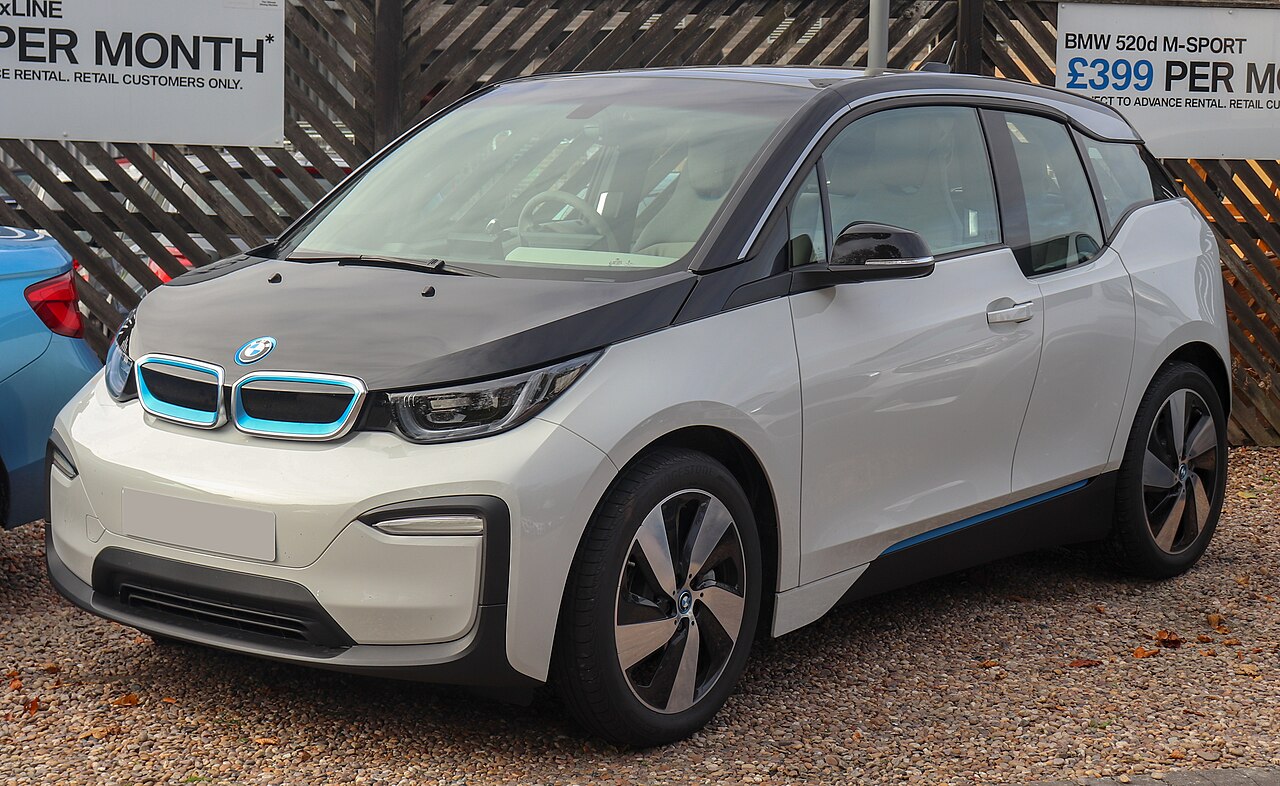
BMW i3 Lightweight Design: Carbon Fiber & Aluminum Mastery – Redefining the Electric Vehicle's "Bmw I3 Gewicht"
From its groundbreaking debut, the BMW i3 wasn't just another electric car; it was a bold statement on sustainable urban mobility, meticulously engineered to challenge preconceptions. At the core of its revolutionary approach lay a relentless pursuit of lightness, achieved through an unprecedented combination of advanced materials: carbon fiber reinforced plastic (CFRP) and aluminum. This mastery of lightweight design is fundamental to understanding the vehicle's agile performance, impressive efficiency, and overall character, profoundly influencing the critical "Bmw I3 Gewicht."
When the BMW i3 first premiered, it immediately set new benchmarks for electric vehicle construction. Its innovative "LifeDrive" architecture, a two-part structure combining an aluminum chassis with a carbon fiber passenger cell, was a game-changer. This allowed BMW to minimize the vehicle's mass without compromising safety or interior space, making the initial "Bmw I3 Gewicht" a mere 1,195 kilograms – remarkably lighter than most conventional compact cars while offering superior occupant room for its four passengers. This strategic weight reduction is not just a technical detail; it's the very soul of the i3's dynamic driving experience and its efficiency promise.
The Foundation of Lightness: BMW's LifeDrive Architecture and Material Choice (Carbon Fiber & Aluminum)
The innovation behind the BMW i3's structure starts with its distinctive LifeDrive architecture. This concept divides the vehicle into two distinct modules: the "Drive module" and the "Life module." The Drive module, primarily constructed from aluminum, houses the battery, electric motor, and chassis components, strategically positioning heavy elements low in the vehicle for an optimal center of gravity. This not only enhances handling but also provides robust protection for the sensitive electrical components.
Perched atop this aluminum foundation is the "Life module," a passenger cell crafted from carbon fiber reinforced plastic (CFRP). This material, revered for its exceptional strength-to-weight ratio, is typically reserved for high-performance sports cars and aerospace applications due to its cost and complexity. BMW's commitment to mass-producing an EV with a CFRP passenger cell was unprecedented, signifying a huge leap in automotive engineering. The benefits are manifold:
- Significant Weight Savings: CFRP is approximately 50% lighter than steel and 30% lighter than aluminum, enabling the incredibly low "Bmw I3 Gewicht."
- Enhanced Safety: Despite its lightness, CFRP is incredibly strong and rigid. In the event of a collision, the material's unique properties allow it to absorb impact energy exceptionally well, providing a highly protective occupant cell.
- Increased Interior Space: The inherent strength of CFRP means thinner structural components can be used without sacrificing safety, liberating more interior space for occupants compared to traditional materials.
- Design Flexibility: The manufacturing process for CFRP allows for complex shapes and integrated functions, contributing to the i3's distinctive, pillarless design and wide-opening doors.
The intelligent combination of aluminum and carbon fiber in the LifeDrive architecture represents a holistic approach to lightweight construction. It’s not merely about using expensive materials but integrating them in a way that maximizes their individual strengths while creating a cohesive, safe, and efficient vehicle structure. This material mastery is arguably the i3's most defining engineering characteristic.
How "Bmw I3 Gewicht" Translates to Performance and Efficiency
The meticulously optimized "Bmw I3 Gewicht" has a direct and profound impact on two crucial aspects of electric vehicle ownership: performance and efficiency. For an electric car, every kilogram saved translates into tangible benefits.
Dynamic Performance:
With its electric motor generating 125 kW (170 PS) of power and an instant 250 Newton-meters of torque from a standstill, the lightweight i3 is remarkably agile. The absence of significant mass means less inertia to overcome, resulting in brisk acceleration figures. The standard BMW i3 can sprint from 0 to 60 km/h in a mere 3.7 seconds and reach 100 km/h in 7.2 seconds. This immediate responsiveness and peppy acceleration make the i3 an absolute joy to drive, especially in urban environments where its compact dimensions and tight turning circle further enhance its nimble character. The maximum speed is electronically limited to 150 km/h, a decision made for optimal efficiency rather than a limitation of power. For a deeper dive into its acceleration, explore How BMW i3's Low Weight Delivers Agile 0-100 km/h Performance.
Exceptional Efficiency and Range:
Lightweighting is perhaps even more critical for electric vehicles in terms of efficiency. A lighter car requires less energy to move, accelerate, and even brake. This directly translates into:
- Extended Range: For a given battery capacity, a lighter vehicle will achieve a longer driving range. The initial i3 models offered a practical range of 130 to 160 kilometers, which BMW Group's test fleets confirmed was more than sufficient for the vast majority of daily commutes (with a global average daily driving distance of only 64 km).
- Lower Energy Consumption: Reduced weight means the vehicle consumes less electricity per kilometer, leading to lower charging costs and a smaller environmental footprint.
To further address range anxiety for longer journeys, BMW offered an optional Range Extender (RE). This system incorporates a small 25 kW (34 PS) two-cylinder gasoline engine, positioned discreetly beside the electric drive unit over the rear axle. This engine doesn't directly power the wheels but acts as a generator, maintaining the lithium-ion battery's charge level once it drops to a certain point. This extends the i3's practical range to approximately 300 kilometers, providing peace of mind for drivers venturing beyond their typical daily routes. While the addition of the Range Extender naturally increases the "Bmw I3 Gewicht," it still remains highly competitive due to the underlying lightweight chassis and body construction.
The BMW i3's Weight Journey: Base Model vs. i3s and the Range Extender
The "Bmw I3 Gewicht" has seen minor variations throughout its production run, reflecting BMW's continuous evolution of the model, particularly with the introduction of the sportier i3s variant and advancements in battery technology. Understanding these differences provides further insight into BMW's engineering choices.
The original BMW i3, launched in November 2013 in Germany (and subsequently in other markets), boasted an impressive curb weight of 1,195 kilograms in its base all-electric configuration. This figure was a testament to the pioneering use of CFRP and aluminum, making it a featherweight among its peers. This lightweight foundation was crucial for the initial models' performance and range, given the battery technology available at the time.
With successive updates, particularly the introduction of larger battery capacities (e.g., 94 Ah, 120 Ah) and the more performance-oriented i3s model, the "Bmw I3 Gewicht" naturally increased. For instance, the BMW i3s I01 s (120 Ah) Edition RoadStyle, a later iteration, tips the scales at 1,365 kilograms. This increase is primarily attributed to:
- Larger Battery Packs: Modern electric vehicles often incorporate larger, heavier battery packs to offer extended range. While battery energy density improves, the sheer increase in capacity often adds weight.
- More Powerful Motors and Drivetrain Components: The i3s variant, for example, features a more powerful motor (184 PS compared to the standard i3's 170 PS), along with potentially beefier suspension and braking components to handle the enhanced performance.
- Additional Features and Equipment: Over time, new features and technological enhancements can also contribute incrementally to the overall mass.
Despite this increase in later models, the i3s still benefits immensely from its underlying lightweight architecture. Its 1365 kg "Bmw I3 Gewicht" remains competitive for an EV, especially when considering its performance capabilities (topping out at 160 km/h) and the larger battery's extended range (e.g., 42 kWh capacity for the 120 Ah model). For a detailed comparison, see BMW i3 Weight Revealed: Base Model 1195 kg vs. i3s 1365 kg.
The optional Range Extender also adds to the vehicle's mass. The 25 kW two-cylinder petrol engine, fuel tank, and associated plumbing contribute approximately 120-150 kg to the "Bmw I3 Gewicht." For example, an original i3 with the Range Extender would have weighed around 1,315 kg, increasing its price from €34,950 to €39,450 in Germany at launch. However, for many users, the added flexibility and peace of mind offered by the extended range far outweigh the minor weight penalty and increased initial cost.
Beyond the Scale: Driving Dynamics and Ownership Benefits of a Lightweight EV
The meticulous attention to the "Bmw I3 Gewicht" goes beyond mere numbers; it fundamentally shapes the entire ownership experience. The i3's relatively low mass, combined with the instantly available torque of its electric motor and a low center of gravity (thanks to the floor-mounted battery), results in a unique driving dynamic.
Drivers consistently praise the i3's engaging and responsive feel. It's incredibly agile, making it perfect for navigating congested city streets and tight parking spaces. The precise steering and minimal body roll, direct consequences of its lightweight construction and rigid chassis, contribute to a confidence-inspiring drive. Furthermore, the absence of a conventional combustion engine means a quieter, smoother ride, enhancing the premium feel.
From an ownership perspective, the lightweight design contributes to significantly lower running costs. BMW itself highlighted that the operating and maintenance costs of the i3 over a three-year period were around 40% lower than those of an economical BMW 320dA in Germany. This is a substantial saving, attributed to reduced wear and tear on components like brakes (due to regenerative braking) and tires (less mass to manage), combined with cheaper "fuel" in the form of electricity. Depending on local subsidies and energy costs, these savings can be even more pronounced in other countries. This holistic approach, from materials to running costs, underscores the i3's intelligent design and its long-term value proposition.
In conclusion, the BMW i3 stands as a monumental achievement in automotive engineering, primarily due to its innovative lightweight design. The strategic integration of carbon fiber reinforced plastic and aluminum to optimize the "Bmw I3 Gewicht" delivered an electric vehicle that was not only remarkably efficient and environmentally conscious but also incredibly dynamic and safe. It demonstrated that electric cars don't have to be heavy, sluggish, or compromise on space. The i3's legacy lies not just in its pioneering electric drivetrain but in its material mastery, setting a high bar for future generations of EVs and proving that thoughtful engineering can truly redefine what's possible in sustainable mobility.